


Hey there! As a supplier of High Cr Alloy Cutting products, I've been in the cutting industry for quite a while, and I've seen firsthand how different alloys stack up against each other when it comes to cutting. Today, I'm gonna break down how high Cr alloy compares to other alloys in the cutting game.
High Cr Alloy: The Basics
First off, let's talk a bit about high Cr alloy. Chromium is a key ingredient here. It gives the alloy some awesome properties. High Cr alloys are known for their high hardness, which means they can hold up well against wear and tear during the cutting process. They also have good corrosion resistance, which is a big plus, especially when you're cutting in harsh environments.
One of the reasons high Cr alloy is so popular in cutting applications is its ability to maintain its sharpness for a long time. This means you can make more cuts without having to constantly sharpen or replace your cutting tools. It's like having a reliable workhorse that just keeps going and going.
Comparing with Carbon Steel
Let's start by comparing high Cr alloy with carbon steel, a commonly used alloy in cutting. Carbon steel is relatively inexpensive and easy to work with, which is why it's so widespread. However, when it comes to cutting performance, high Cr alloy has a clear edge.
Carbon steel tends to lose its hardness at higher temperatures. During the cutting process, a lot of heat is generated, and this can cause the carbon steel to soften. Once it softens, it becomes less effective at cutting, and you might notice that the cuts aren't as clean or precise. On the other hand, high Cr alloy has better heat resistance. It can withstand the high temperatures generated during cutting without losing its hardness, so you can keep making smooth, clean cuts.
Another area where high Cr alloy outshines carbon steel is in corrosion resistance. Carbon steel is prone to rusting, especially if it's exposed to moisture or certain chemicals. This can not only damage the cutting tool but also affect the quality of the cuts. High Cr alloy, with its chromium content, forms a protective oxide layer on the surface, which helps prevent corrosion. So, if you're working in a wet or corrosive environment, high Cr alloy is definitely the way to go.
Taking on Stainless Steel
Stainless steel is another alloy that's often used in cutting applications. It's known for its corrosion resistance, just like high Cr alloy. But when it comes to cutting performance, there are some differences.
Stainless steel is generally softer than high Cr alloy. While this might make it easier to machine in some cases, it also means that it's not as good at cutting hard materials. High Cr alloy, with its high hardness, can cut through tough materials more effectively. For example, if you're cutting through thick metal sheets or hard alloys, a high Cr alloy cutting tool will be able to make the job quicker and more efficient.
In terms of cost, stainless steel can be more expensive than high Cr alloy, especially if you're using high - quality grades. High Cr alloy offers a good balance between performance and cost, making it a popular choice for many cutting operations.
Going Head - to - Head with Tungsten Carbide
Tungsten carbide is a super - hard alloy that's widely used in cutting tools. It's extremely wear - resistant and can cut through the toughest materials. But how does high Cr alloy compare?
Well, tungsten carbide is definitely harder than high Cr alloy. It can handle high - speed cutting and make very precise cuts in hard materials. However, tungsten carbide is also more brittle. This means that it's more likely to chip or break if it's subjected to sudden shocks or impacts. High Cr alloy, on the other hand, is more ductile. It can withstand some degree of impact without breaking, which makes it a better choice for applications where there might be some vibration or uneven cutting forces.
Cost is another factor. Tungsten carbide cutting tools are generally more expensive than high Cr alloy ones. If you're on a budget or if you're doing less demanding cutting jobs, high Cr alloy can offer a cost - effective alternative without sacrificing too much in terms of performance.
Our High Cr Alloy Cutting Products
At our company, we offer a wide range of high Cr alloy cutting products that are designed to meet different cutting needs. Whether you're cutting through metal, wood, or other materials, our high Cr alloy tools can get the job done.
We've put a lot of effort into developing our high Cr alloy products to ensure they have the best combination of hardness, wear resistance, and toughness. Our tools are made using advanced manufacturing processes, which means they're of the highest quality.
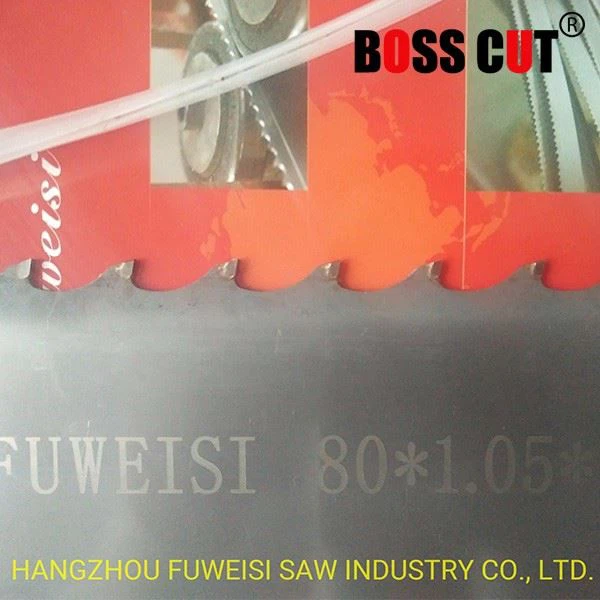
If you're looking for a reliable cutting solution, you might want to check out some of our related products. For example, we have Tungsten Carbide Tipped Band Saw, Carbide Tipped Bandsaw Blade, and Carbide Tipped Band Saw Blade For Hardness Metal. These products combine the best features of different alloys to give you excellent cutting performance.
Why Choose High Cr Alloy from Us
There are several reasons why you should consider choosing our high Cr alloy cutting products. First of all, we have a team of experts who are constantly working on improving our products. We stay up - to - date with the latest technology and industry trends to make sure our tools are at the forefront of cutting performance.
Secondly, we offer great customer service. We understand that every customer has different needs, and we're here to help you find the right cutting solution for your specific application. Whether you have questions about our products or need advice on how to use them, our team is always ready to assist you.

Finally, we offer competitive pricing. We believe that high - quality cutting tools shouldn't break the bank. So, we strive to offer our products at a price that gives you the best value for your money.
Let's Talk
If you're interested in learning more about our high Cr alloy cutting products or if you want to discuss your cutting needs, don't hesitate to reach out. We're always happy to have a chat and see how we can help you improve your cutting operations. Whether you're a small workshop or a large manufacturing company, we have the right solution for you.
References
- "Metals and Alloys in the Cutting Industry" - A comprehensive guide on different alloys used in cutting.
- "Cutting Tool Technology" - A research paper on the latest advancements in cutting tool materials.